Mentorship

How Small Business Owners in India Can Build a Scalable Business Without Burning Out

How Small Business Owners in India Can Build a Scalable Business Without Burning Out

If you own a small business in India, chances are you are the manager, the salesperson, the accountant, and the delivery boy — all at once. You wake up early, sleep late, and still feel like you are falling behind. Sound familiar? This is the reality of small business growth in India. Most business owners pour everything into their business hoping that working harder will eventually lead to freedom. But here is the truth: working harder without the right structure will only lead to one place — burnout. The good news? You do not have to choose between growth and your health. It is possible to build a scalable business in India — one that grows without needing you to be present every minute of the day. You just need a different approach. In this article, we will walk through why most Indian small businesses hit a growth wall, what a scalable business actually looks like, and the practical steps you can take starting today. Why Most Small Businesses Stop Growing Here is something most people do not talk about: the very things that helped you survive the early days of your business are the same things that stop you from growing later. Let us look at the most common problems: The Owner Is Doing Everything In the beginning, wearing every hat makes sense. But as the business grows, this becomes a serious problem. When you are the only person who knows how to do everything, nothing moves without you. You become the bottleneck in your own business. Think about a small textile shop owner in Surat who handles WhatsApp orders, supplier calls, billing, and packing — all by himself. The moment he takes a day off, orders pile up and customers get frustrated. He cannot grow because he cannot step away. No Business Systems in Place Most small businesses run on memory and habit, not systems. There is no written process for how things should be done. Every task depends on whoever is available at that moment. This creates chaos, mistakes, and inconsistency — especially as the team grows. Hiring Without Structure Many Indian business owners hire people out of desperation, not planning. They take on staff when things get too busy, but without clear roles or standard operating procedures, the new person is just adding cost — not solving the real problem. No Delegation — Just Micromanagement Even when there is a team, many owners find it hard to let go. They check every invoice, approve every small decision, and end up doing the work themselves anyway. Without real delegation, a team becomes more of a burden than a support. What a Scalable Business Actually Means The word “scalable” gets thrown around a lot. But what does it actually mean for a small business in India? A scalable business is one where your revenue can grow without requiring a proportional increase in your personal time and effort. In simple terms: the business keeps running and growing even when you are not standing over everyone’s shoulder. This is made possible through: • Business systems — clear ways of doing things that anyone can follow • Documented processes — step-by-step instructions written down so that work does not depend on memory • Repeatable operations — tasks that happen the same way every time, reducing errors and saving time • Team support — people who know their roles well enough to handle things without needing you every time When these four things are in place, your business becomes something you own — not something that owns you. Explore Our Social Media Optimization Services 5 Practical Steps to Build a Scalable Business in India 1. Build Systems Before Hiring More People Most business owners think hiring more people will solve their problems. But if your current operations are messy, more people will only make them messier. Before your next hire, document how things currently work. Write down the steps for handling a customer inquiry. Create a checklist for your daily opening procedure. Build a simple template for how your team should handle complaints. These are the foundations of operational efficiency — and they cost nothing but a little time. 2. Stop Doing Everything Yourself This is hard for most Indian business owners because trust is earned slowly. But real business growth happens when you shift from doing the work to managing the work. Start small. Pick one task you do every day that someone else could do with proper training. Delegate it, monitor it for a week, and adjust. Gradually, you build a team that can handle operations while you focus on growing the business. 3. Track Numbers That Actually Matter You cannot grow what you do not measure. Many small business owners in India have a rough idea of their revenue but no clear picture of their costs, margins, or which products are actually making money. Pick three to five key numbers and track them every week. This could be daily sales, customer acquisition cost, average order value, or monthly expenses. Once you know your numbers, you make better decisions — faster. 4. Create Simple Processes for Daily Tasks A process does not have to be complicated. It is just a standard way of doing something so that the output is consistent every time. For example, a small restaurant in Pune could create a simple daily opening checklist — clean the counter, check gas supply, update the WhatsApp menu, confirm staff attendance. When every day starts the same way, quality stays consistent and nothing gets missed. Sustainable business growth is built on these small, repeatable habits. 5. Get Guidance From a Business Mentor for Small Business Most business owners try to figure everything out on their own. But growing a business is not something you have to do alone. A good business mentor for small business owners can help you see blind spots, avoid expensive mistakes, and build the right structure faster than trial and error. Mentorship is not just

How Small Business Owners in India Can Build a Scalable Business Without Burning Out Read More »

How to Choose the Right Leadership Development Program in India

How to Choose the Right Leadership Development Program in India

In today’s rapidly evolving business landscape, effective leadership is no longer optional—it’s essential. Organizations across India are recognizing that their competitive advantage lies not just in their products or services, but in the caliber of their leaders. Yet, with countless leadership development programs flooding the market, how do you identify the one that will genuinely transform your organizational capabilities? The answer lies in understanding what distinguishes exceptional leadership development from generic training packages. At Transcend Biz Mentors, we’ve spent years perfecting the art and science of leadership transformation, and we’re here to guide you through making this critical decision. Understanding the Leadership Development Landscape in India India’s leadership development ecosystem has matured significantly over the past decade. From traditional classroom-based programs to cutting-edge virtual immersions, the options are diverse. However, this abundance of choice can be overwhelming. Many organizations invest heavily in programs that deliver impressive PowerPoint presentations but fail to create lasting behavioral change. The fundamental truth is this: not all leadership programs are created equal. A program that works brilliantly for a multinational corporation may be entirely unsuited for a mid-sized Indian enterprise. Context matters. Culture matters. Business realities matter. The Seven Pillars of an Exceptional Leadership Development Program When evaluating leadership development programs, demand excellence across these critical dimensions: 1. Customization Over Cookie-Cutter Solutions Generic programs deliver generic results. Your organization faces unique challenges, operates within specific industry constraints, and possesses distinctive cultural dynamics. Any leadership development initiative that doesn’t begin with a thorough diagnosis of your organizational context is destined to underdeliver. At Transcend Biz Mentors, every program begins with comprehensive organizational assessment. We don’t just understand your business—we immerse ourselves in your strategic objectives, cultural nuances, and specific leadership gaps. This diagnostic rigor ensures that our interventions are precisely calibrated to your needs, not adapted from a standardized template. 2. Evidence-Based Methodologies Leadership development is a discipline grounded in behavioral science, organizational psychology, and strategic business acumen. Beware of programs built solely on charismatic speakers or motivational rhetoric. While inspiration has its place, sustainable leadership transformation requires proven frameworks and validated methodologies. Demand programs that reference peer-reviewed research, cite specific leadership models, and demonstrate measurable outcomes. Transcend Biz Mentors integrates globally recognized frameworks with insights from the Indian business context, creating a powerful synthesis that resonates locally while maintaining international standards of excellence. 3. Practical Application and Real-World Relevance Theory without practice is mere abstraction. The most effective leadership programs bridge the gap between conceptual understanding and practical application. Participants should leave each session with tools, frameworks, and strategies they can implement immediately within their organizational roles. Our approach at Transcend Biz Mentors emphasizes action learning. We design scenarios, simulations, and case studies drawn directly from Indian business realities. Participants don’t just learn about leadership—they practice leadership in controlled, feedback-rich environments that mirror their actual challenges. 4. Experienced Faculty with Relevant Expertise The quality of facilitators fundamentally determines program impact. Seek programs led by professionals who combine academic rigor with substantial corporate leadership experience. Theoretical knowledge must be complemented by battle-tested wisdom from leading organizations. Transcend Biz Mentors brings together a distinguished faculty of seasoned business leaders, organizational psychologists, and strategic consultants. Our mentors haven’t just studied leadership—they’ve lived it, navigating complex organizational transformations, leading high-performance teams, and driving strategic change across diverse industries. 5. Sustained Engagement Beyond the Classroom Leadership transformation is a journey, not an event. One-off workshops create temporary enthusiasm but rarely produce lasting change. Exceptional programs build in ongoing support, coaching, peer learning, and reinforcement mechanisms that sustain momentum long after the formal sessions conclude. We’ve designed our programs at Transcend Biz Mentors with longitudinal impact in mind. Beyond intensive learning modules, we provide individual coaching, action learning projects, peer accountability groups, and digital learning resources. This comprehensive ecosystem ensures that leadership development becomes embedded in organizational DNA rather than remaining an isolated training event. 6. Measurable Outcomes and ROI Leadership development represents a significant organizational investment. You deserve clarity on the returns you can expect. Insist on programs that define clear success metrics, establish baseline measurements, and track progress throughout the engagement. Transcend Biz Mentors employs rigorous assessment methodologies including 360-degree feedback, behavioral observations, business impact metrics, and leadership competency assessments. We don’t just measure satisfaction scores—we track tangible improvements in leadership effectiveness, team performance, and organizational outcomes. 7. Cultural Intelligence and Local Context India’s business environment presents unique challenges: hierarchical organizational structures, diverse workforce demographics, rapid market evolution, and distinct stakeholder expectations. Leadership programs designed for Western contexts often fail when transplanted without adaptation to Indian realities. Your program must demonstrate deep understanding of the Indian business ecosystem while maintaining global best practices. Transcend Biz Mentors specializes in this critical balance, blending international leadership frameworks with nuanced understanding of Indian organizational culture, regional variations, and sector-specific challenges. Critical Questions to Ask Before Enrolling Approach program evaluation with intellectual rigor. Demand substantive answers to these essential questions: What specific leadership competencies will this program develop, and how do these align with our organizational strategy? Can you provide case studies demonstrating measurable impact with organizations similar to ours? What is your faculty’s direct leadership experience, beyond academic credentials? How will the program be customized to our industry, organizational culture, and specific challenges? What ongoing support mechanisms extend beyond the formal program duration? How do you measure program effectiveness, and what ROI can we realistically expect? What distinguishes your methodology from other programs in the market? These questions separate credible providers from marketing-heavy programs with limited substance. The Transcend Biz Mentors Difference What distinguishes Transcend Biz Mentors in India’s crowded leadership development marketplace? Our commitment extends beyond delivering programs—we forge genuine partnerships dedicated to your organization’s leadership transformation. Diagnostic Excellence: We invest significant effort understanding your organization before designing solutions. Our assessment methodologies identify not just skill gaps but underlying systemic factors influencing leadership effectiveness. Integrated Approach: We recognize that leadership development cannot exist in isolation. Our programs integrate with your talent management systems, succession planning initiatives, and performance management frameworks.

How to Choose the Right Leadership Development Program in India Read More »

The Critical Role of Business Mentorship in Scaling India's MSMEs

Role of a Business Mentor in Scaling MSMEs in India

India’s Micro, Small, and Medium Enterprises (MSMEs) form the backbone of the nation’s economy, contributing approximately 30% to the GDP and employing over 110 million people. Yet, despite their significance, a staggering 80% of MSMEs fail to scale beyond their initial growth phase. The primary catalyst for this stagnation is not lack of ambition or market opportunity—it is the absence of strategic guidance and structured mentorship. This is where specialized business mentorship becomes not just beneficial, but essential. And this is precisely the gap that Transcend Biz Mentors has committed to bridging with unparalleled expertise and proven methodologies. Understanding the MSME Scaling Challenge in India The journey from a small enterprise to a scaled, sustainable business is fraught with complexities that most entrepreneurs are ill-equipped to navigate alone. Indian MSMEs face a unique set of challenges: Operational Inefficiencies: Many MSMEs operate on outdated systems, lacking the processes necessary for sustainable growth. Without proper operational frameworks, scaling becomes chaotic rather than strategic. Financial Mismanagement: Limited understanding of cash flow management, working capital optimization, and strategic fundraising leaves businesses perpetually cash-strapped, even when revenue is growing. Market Positioning Gaps: In an increasingly competitive landscape, MSMEs struggle to differentiate themselves, often competing solely on price rather than value—a race to the bottom that erodes margins and stunts growth. Technology Adoption Barriers: The digital transformation wave has left many traditional MSMEs behind, creating a widening gap between their capabilities and market expectations. Leadership Limitations: Founder-led businesses often hit a ceiling when the entrepreneur’s skills no longer match the complexity of the growing organization. These challenges are not insurmountable—but they require expert intervention, strategic thinking, and battle-tested frameworks that only experienced business mentors can provide. Why Traditional Consulting Falls Short Many MSMEs have attempted to address these challenges through traditional business consulting. The results are often disappointing. Consultants typically deliver reports and recommendations, then exit the engagement, leaving entrepreneurs to implement complex strategies without ongoing support. This transactional approach fails because scaling a business is not a one-time project—it is a transformative journey that requires continuous guidance, accountability, and adaptation. Transcend Biz Mentors operates on a fundamentally different philosophy. Rather than offering generic advice, the organization embeds itself as a strategic partner in the scaling journey, providing hands-on mentorship that transforms not just businesses, but the entrepreneurs leading them. The Transcend Biz Mentors Advantage: A Holistic Mentorship Framework What sets Transcend Biz Mentors apart is their comprehensive, battle-tested approach to MSME scaling—a methodology refined through years of working with diverse businesses across sectors. Strategic Clarity and Vision Building Scaling begins with clarity. Most MSME owners are so entrenched in daily operations that they lack a clear, compelling vision for where their business should be in three to five years. Transcend Biz Mentors facilitates this critical strategic thinking, helping entrepreneurs: This strategic foundation becomes the North Star that guides all subsequent decisions and investments. Operational Excellence and Systems Development A business cannot scale on the back of heroic individual efforts. Sustainable growth requires robust systems and processes that can function independently of any single person. Transcend Biz Mentors works intimately with MSMEs to: The result is a business that runs on systems rather than on the entrepreneur’s constant intervention—freeing the founder to focus on strategy rather than firefighting. Financial Structuring and Capital Strategy Financial acumen separates businesses that scale profitably from those that grow broke. Many MSMEs confuse revenue growth with business success, only to find themselves in a cash crunch despite increasing sales. Transcend Biz Mentors brings sophisticated financial expertise to the table: This financial rigor ensures that growth is not just rapid, but sustainable and profitable. Market Expansion and Customer Acquisition Scaling requires systematic approaches to market penetration and customer acquisition. Transcend Biz Mentors guides MSMEs in developing sophisticated go-to-market strategies: These initiatives transform sporadic sales efforts into predictable, scalable revenue engines. Leadership Development and Team Building Perhaps the most critical—and often overlooked—aspect of scaling is the personal transformation of the entrepreneur. The skills that made someone a successful startup founder are often inadequate for leading a scaled organization. Transcend Biz Mentors invests heavily in leadership development: This focus on human capital ensures that the organization’s growth is matched by the leadership’s evolution. The Transcend Methodology: From Insight to Impact What makes Transcend Biz Mentors truly exceptional is not just what they do, but how they do it. Their methodology is built on three foundational pillars: Deep Immersion Unlike consultants who maintain arm’s length relationships, Transcend mentors immerse themselves in the client’s business. They spend time on shop floors, in sales meetings, with customers, and in strategy sessions. This deep understanding enables contextual, relevant guidance rather than generic advice. Co-Creation and Ownership Transcend Biz Mentors believes that sustainable change comes from within. Rather than imposing solutions, they co-create strategies with the entrepreneur and their team, ensuring buy-in and ownership. This collaborative approach builds internal capability, so improvements persist long after the engagement ends. Accountability and Execution Support Strategy without execution is merely intellectual exercise. Transcend Biz Mentors maintains consistent accountability mechanisms—regular check-ins, milestone tracking, and hands-on implementation support. This ensures that plans translate into tangible results. Real Impact: Transforming MSMEs Across India The true measure of any mentorship organization lies in the results it delivers. Transcend Biz Mentors has established a formidable track record of transforming struggling MSMEs into thriving, scalable enterprises. From manufacturing units in Gujarat that have tripled capacity while improving margins, to service businesses in Bangalore that have expanded to multiple cities, to family-run enterprises in Maharashtra that have successfully navigated generational transitions—the impact is both broad and deep. These successes share common threads: strategic clarity, operational excellence, financial discipline, and transformed leadership. In every case, the entrepreneur credits Transcend Biz Mentors not just with business growth, but with their own evolution as leaders. Why MSMEs Choose Transcend Biz Mentors In a crowded landscape of business advisors and consultants, Transcend Biz Mentors has emerged as the preferred partner for serious MSME entrepreneurs committed to sustainable scaling. Several factors drive this

Role of a Business Mentor in Scaling MSMEs in India Read More »

Leadership Habits That Separate Good Managers from Great Ones

10 Leadership Habits That Separate Good Managers from Great Ones

Have you ever wondered why some managers inspire their teams to achieve extraordinary results while others struggle to maintain basic productivity?  When professionals practice and adapt leadership skills, they transcend from good managers to exceptional leaders. In India’s rapidly evolving business landscape, where we’re witnessing a surge in startups (over 1.17 lakh DPIIT-recognized startups as of 2024) and established companies scaling at unprecedented rates, the demand for great managers has never been higher.  Yet, according to a Deloitte India survey, 86% of Indian companies cite leadership development as their top priority. This indicates a significant gap between good and great leadership. As renowned Business Coach Dilip Pandya often emphasizes, “Leadership is not a position or a title, it is action and example.” Let’s explore the ten transformative habits that separate ordinary managers from exceptional leaders.  1. They Practice Active Listening, Not Just Hearing Great managers in India understand that our diverse, multilingual workforce brings unique perspectives shaped by varied cultural backgrounds. Active listening goes beyond nodding during a meeting. Active listening is genuinely understanding the context, emotions, and unspoken concerns behind every conversation. In hierarchical Indian organizations, employees often hesitate to speak up. Great managers create psychological safety by listening without interrupting, asking clarifying questions, and acting on feedback. Dilip Pandya’s Insight: “When you truly listen, you understand aspirations, fears, and motivations. This is where real leadership begins.” Action Step: In your next one-on-one meeting, spend 70% of the time listening and only 30% speaking. Notice how the quality of insights changes. 2. They Lead with Emotional Intelligence (EQ), Not Just IQ Harvard Business Review research shows that emotional intelligence accounts for nearly 90% of what sets high performers apart from peers with similar technical skills. In India, where relationships and emotions deeply influence business decisions, high EQ should be ideally non-negotiable. Great managers recognize emotions in themselves and others, manage stress effectively, and respond rather than react to challenging situations. Real-World Application: During the pandemic, while good managers focused solely on deliverables, great managers checked on their team’s mental health, family situations, and provided flexible support. It resulted in higher retention and productivity. Key Practice: Start each day with five minutes of self-reflection. Ask yourself: “What emotions am I bringing into today’s interactions?” 3. They Develop People, Not Just Manage Tasks According to LinkedIn’s Workplace Learning Report, 94% of employees would stay longer at a company that invests in their career development. Yet many Indian managers remain transactional, focused only on immediate deliverables. Great managers see themselves as talent developers. They identify individual strengths, provide stretch assignments, and invest time in coaching conversations. Dilip Pandya’s Approach: “Your success as a leader is measured not by what you achieve, but by what your team achieves after you’ve moved on.” Implementation Strategy: Create a personalized development plan for each team member. Dedicate at least two months to coaching conversations focused on their growth, not project updates. 4. They Communicate with Clarity and Consistency In India’s complex business environment—with multiple languages, regional differences, and varied educational backgrounds—clarity in communication becomes a competitive advantage. Great managers eliminate ambiguity. They articulate vision, expectations, and feedback in simple, direct language. They also maintain consistency between what they say and do, building trust through alignment. Common Pitfall: Many Indian managers assume understanding and rarely seek confirmation. This leads to costly misalignments. Best Practice: After explaining anything important, ask team members to summarize their understanding. This simple habit prevents 80% of execution errors. 5. They Make Decisions with Data and Intuition While India’s digital transformation has made data more accessible than ever, great managers balance analytics with intuition—especially crucial in our fast-moving, context-rich business environment. They don’t suffer from “analysis paralysis,” nor do they make impulsive decisions. They gather relevant data, consult their team, and then trust their judgment informed by experience. Business Coach Wisdom: Dilip Pandya teaches that “Data tells you what happened; intuition tells you what could happen. Great leaders need both.” Framework: Use the 70-20-10 rule for decisions: Gather 70% of the needed information, take 20% calculated risk based on experience, and leave 10% room for agility. 6. They Build Accountability Without Micromanaging A KPMG India study revealed that 67% of Indian employees feel micromanaged, leading to decreased motivation and innovation. Great managers establish clear accountability while giving autonomy. They set outcomes, not methods. They define what success looks like but trust their team to figure out how to get there. The Balance: Accountability with autonomy creates ownership. Micromanagement creates compliance. Practical Tool: Implement the “what” and “why” framework. Clearly communicate what needs to be achieved and why it matters, but let your team decide how. 7. They Embrace Vulnerability and Admit Mistakes Indian work culture traditionally expects leaders to project infallibility. However, great managers break this mold by embracing vulnerability as a strength, not a weakness. When leaders admit mistakes, it humanizes them, builds trust, and creates a culture where learning from failures becomes acceptable. Dilip Pandya’s Teaching: “The strongest leaders are those who can say ‘I don’t know’ or ‘I was wrong’ without losing their team’s respect.” Cultural Shift: Start team meetings by sharing one learning from a recent mistake. This simple act gives others permission to be honest about their challenges. 8. They Prioritize Ruthlessly and Say No Strategically In India’s “yes” culture, saying no is often seen as uncooperative or negative. Yet great managers understand that saying yes to everything means excellence in nothing. They protect their team’s focus by filtering requests, pushing back on unrealistic deadlines, and ensuring bandwidth for strategic work over merely urgent tasks. Time Management Insight: Research by McKinsey found that managers spend only 16% of their time on strategic thinking. Great managers consciously reverse this by eliminating low-value activities. Implementation: Use the Eisenhower Matrix weekly. Identify what’s important versus urgent, and have the courage to delegate or decline the non-essential. 9. They Celebrate Small Wins and Recognize Consistently Indian employees, according to TimesJobs surveys, rank recognition as one of their top three motivators—often above

10 Leadership Habits That Separate Good Managers from Great Ones Read More »

5 Mentorship Benefits for Entrepreneurs: A Complete Guide

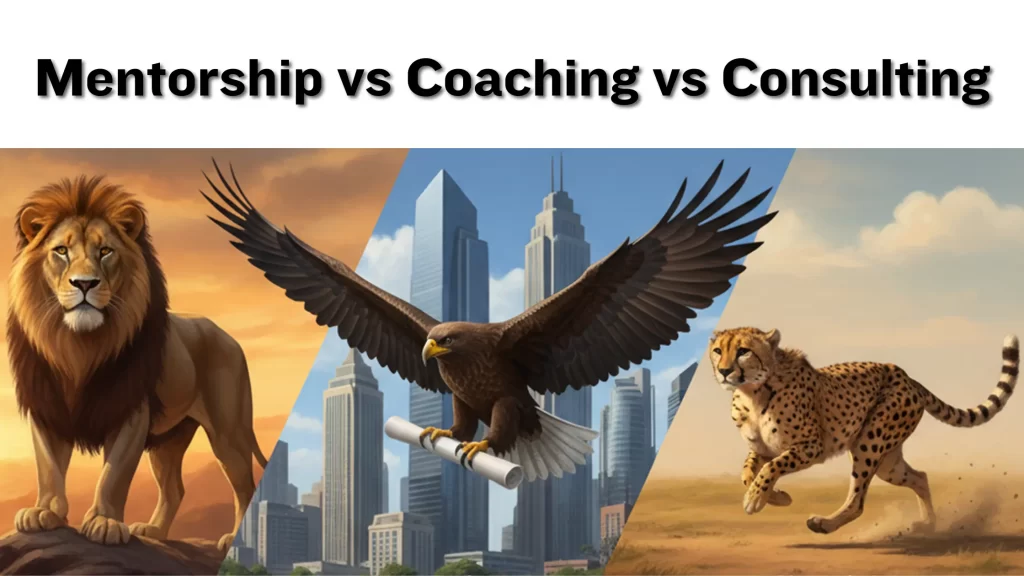
When I first started my entrepreneurial journey, I thought I had to figure everything out on my own. I couldn’t have been more wrong. The mentorship benefits for entrepreneurs became crystal clear once I connected with my first business mentor, and it completely transformed how I approached building my company. If you’re wondering whether mentorship is worth your time as an entrepreneur, let me share what I’ve learned about how the right guidance can accelerate your business growth and help you avoid costly mistakes. What is Mentorship in Entrepreneurship? Mentorship is a professional relationship where an experienced entrepreneur or business leader shares their knowledge, insights, and expertise with someone who’s earlier in their entrepreneurial journey. Unlike coaching or consulting, mentorship is typically a longer-term relationship built on trust, mutual respect, and genuine investment in your success. In my experience, business mentorship goes beyond just giving advice. It’s about having someone who believes in your vision, challenges your thinking, and provides the strategic guidance you need to navigate the complex world of entrepreneurship. The Life-Changing Mentorship Benefits for Entrepreneurs I’ll be honest – before I experienced the mentorship benefits for entrepreneurs firsthand, I was skeptical about whether having a mentor would actually make a meaningful difference in my business journey. Like many entrepreneurs, I thought I could figure everything out through trial and error, research, and sheer determination. But after connecting with the right business mentor, I realized that mentorship isn’t just helpful – it’s transformational. The entrepreneur guidance I received didn’t just help me avoid mistakes; it fundamentally shifted how I approached challenges, made decisions, and viewed opportunities. Within six months of starting my mentorship relationship, I saw measurable improvements in my business growth, decision-making speed, and overall confidence as a leader. These weren’t small incremental changes – they were paradigm shifts that accelerated my success in ways I never thought possible. 1. Accelerated Learning and Skill Development One of the most significant mentorship benefits for entrepreneurs is the acceleration of your learning curve. Instead of spending years making the same mistakes countless others have made before you, you can learn from someone who’s already walked that path. My mentor helped me develop entrepreneurial skills I didn’t even know I needed. From negotiation tactics to leadership development, having access to their expertise saved me both time and money. The entrepreneur guidance I received was invaluable in helping me understand market dynamics and customer psychology. 2. Expanded Professional Network Networking opportunities through mentorship opened doors I never could have accessed on my own. Your mentor’s connections become your connections, and this professional networking can lead to partnerships, investors, customers, and even future mentors. The business connections I made through my mentor’s introductions resulted in three major partnerships that directly contributed to our company’s growth. This is one of the most tangible mentorship benefits for entrepreneurs that continues to pay dividends. 3. Strategic Decision-Making Support Having someone with experience to discuss strategic planning and major business decisions is incredibly valuable. My mentor helped me think through critical choices like market positioning, pricing strategies, and expansion opportunities. The entrepreneur guidance during these pivotal moments prevented me from making several potentially costly mistakes. Their outside perspective and business wisdom provided clarity when I was too close to see the bigger picture. 4. Emotional Support and Motivation Entrepreneurship can be lonely and emotionally challenging. The mentorship benefits for entrepreneurs extend far beyond business strategy to include emotional support during tough times. Having someone who understands the unique pressures of building a business is incredibly reassuring. My mentor became a source of motivation and encouragement when I faced setbacks. They reminded me that failure is part of the journey and helped me reframe challenges as learning opportunities. 5. Accountability and Goal Setting Mentorship provides built-in accountability that’s often missing when you’re working solo. My mentor helped me set realistic goals and held me accountable for achieving them. This goal setting process kept me focused and moving forward even when motivation waned. How to Find the Right Mentor for Your Business Finding the perfect business mentor isn’t about connecting with the most successful person you can find. It’s about finding someone whose experience aligns with your needs and whose communication style meshes with yours. Define Your Mentorship Goals Before you start your mentor search, be clear about what you hope to gain from the relationship. Are you looking for help with specific skills, industry connections, or general business guidance? Understanding your goals will help you identify the right type of mentor. Look Within Your Existing Network Start your search close to home. Look at your current professional network for potential mentors. Sometimes the best mentors are people you already know who have experience in areas where you need guidance. I found my first mentor through a mutual connection at a local entrepreneur support group. They weren’t the most famous entrepreneur in town, but their experience in my industry made them perfect for what I needed. Utilize Professional Organizations and Events Industry associations, entrepreneurship programs, and business events are excellent places to meet potential mentors. Many successful entrepreneurs are willing to give back to the community and may be open to mentoring relationships. Networking events, startup competitions, and industry conferences provide natural opportunities to connect with experienced business leaders who might become mentors. Consider Formal Mentorship Programs Many organizations offer structured mentorship programs that match entrepreneurs with experienced mentors. Programs like SCORE, industry-specific accelerators, and university alumni networks can be great resources. These formal programs often provide structure and guidelines that can make the mentorship relationship more effective, especially if you’re new to being mentored. The Critical Importance of Mentor-Mentee Communication The success of any mentorship relationship hinges on effective communication skills and mutual understanding. I’ve learned that the quality of communication often determines whether a mentorship thrives or fizzles out. Establish Clear Expectations From the beginning, I made sure to discuss expectations with my mentor. How often would we meet? What topics were off-limits? What did

5 Mentorship Benefits for Entrepreneurs: A Complete Guide Read More »

How-to-Be-a-Great-Mentee

How to Be a Great Mentee: What Mentors Wish Their Mentees Knew

Mentorship is a powerful catalyst for professional and personal growth. While much is written about how to be a great mentor, the role of the mentee is equally vital. If you’re wondering how to be a great mentee or want actionable mentee tips for a successful mentorship, this guide is for you. What Makes a Great Mentee? A great mentee is proactive, open to feedback, and committed to growth. Successful mentees understand their mentee responsibilities, such as setting clear goals, respecting their mentor’s time, and being honest about their progress and challenges. They view the mentor-mentee relationship as a partnership, not a one-way street. Essential Behaviors of Successful Mentees Active Listening: Asking Good Questions Listening is more than hearing-it’s about understanding and engaging. Great mentees come prepared with questions, clarify doubts, and show genuine curiosity. They value their mentor’s insights and are not afraid to seek clarification or ask for real-world examples. Taking Initiative Mentors appreciate mentees who take charge of their learning. This means scheduling meetings, preparing agendas, and following up on action items. Taking initiative shows respect for your mentor’s time and demonstrates your commitment to the process. Respecting Boundaries Mentors are often busy professionals. Respect their time by being punctual, keeping communications concise, and not expecting immediate responses. Set mutually agreed-upon meeting schedules and honor them. Following Through Reliability is a hallmark of a good mentee. If you agree to complete a task or explore a resource, do it. Consistently following through builds trust and shows your mentor that you value their investment in your growth. What Mentors Wish Their Mentees Knew Mentors want mentees to realize that mentorship is a shared journey. Here’s what mentors often wish their mentees knew: Also Read: What is Organizational Development? Maximizing the Mentorship Experience To get the most from your mentorship:

How to Be a Great Mentee: What Mentors Wish Their Mentees Knew Read More »

Scroll to Top